Why Choose Us?
Professional team
With a team of qualified experts boasting 20 years of experience, we prioritize research and development to create innovative and improved formulas. Our goal is to provide safe, beautiful, and high-quality OEM and ODM products for our esteemed clientele.
Wide range of products
Our product range includes bath gel, body wash, body lotion, body mist, bath salt, bath fizzer, soap, shampoo, conditioner, hair treatment, face wash, face mask, hand lotion, hand wash, bath gift sets, and various other cosmetic products.
Quality products
The company has introduced modern American technology and the latest production technology recipes. The products have been carefully formulated with natural plant essence. They have reached the international standard of "natural environmental protection".
Rich Experience
Gold Orient International Limited was established in 2003 and has a 19year history in the cosmetics and bath manufacturing industry.
-

Description FAQ Q: Are you trading company or manufacturer? A: We are professional manufacturer focuses on body care products, bath gift sets, bath salt/ fizzer, shower gel, cosmetic ect Q: Which
Add to Inquiry -
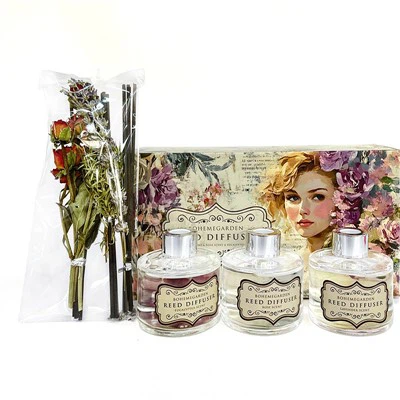
Please insert preserved flower into the glass tube and put into the diffuser bottle.
Add to Inquiry -
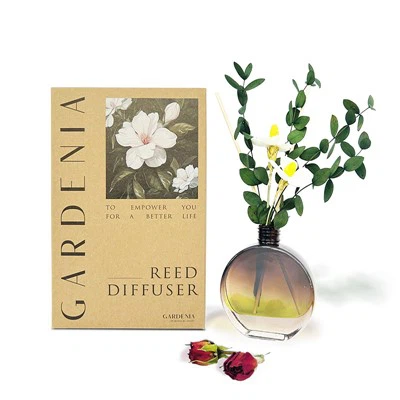
Please insert preserved flower into the glass tube and put into the diffuser bottle.
Add to Inquiry -
Please insert preserved flower into the glass tube and put into the diffuser bottle.
Add to Inquiry -
Perfume Manufacturers Suppliers
Brand:No logo/Private Label/OEM&ODMFeatures:Body FragranceLong Time Lasting Smell:Nice ScentsFragrance Type:Floral, Fruity, Musky, Powdery, Rose, FreshSample Time:1-7 work days as per different
Add to Inquiry -
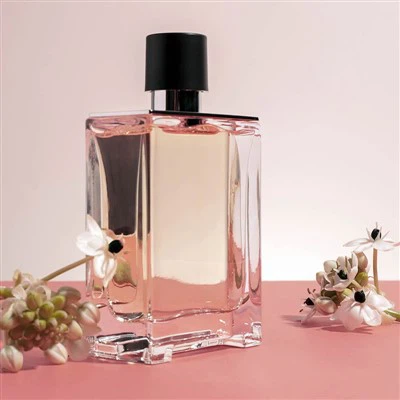
50ml & 80ml & 120ml Woman Man Glass Bottles Perfume Essential Oil Perfume
Add to Inquiry -
25ml & 50ml & 100ml Woman Man Glass Bottles Perfume Essential Oil Perfume
Add to Inquiry -
We understand that each brand has its unique style and vision. With our OEM services, you have the freedom to customize the design of your reed diffusers. From selecting the shape and size of the
Add to Inquiry -
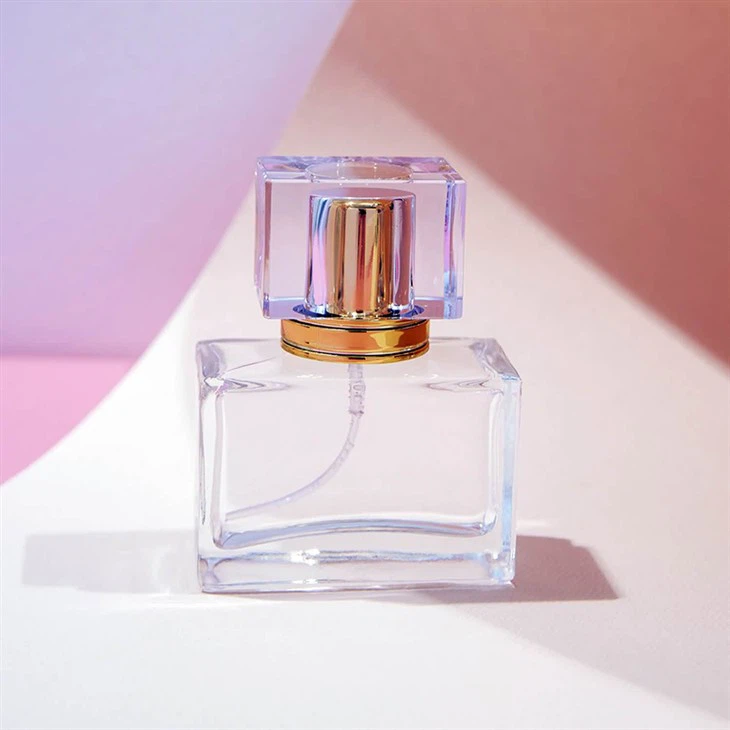
25ml 50ml 100ml Spray Woman Man Glass Bottles Perfume Essential Oil Perfume
Add to Inquiry -
-







What Is Perfume
Perfume is a mixture of fragrant essential oils or aroma compounds (fragrances), fixatives and solvents, usually in liquid form, used to give the human body, animals, food, objects, and living-spaces an agreeable scent. Perfumes can be defined as substances that emit and diffuse a pleasant and fragrant odor. They consist of manmade mixtures of aromatic chemicals and essential oils.
The Importance of Wearing Perfume
Lifestyle
Perfume, often referred to as the invisible accessory, has been an integral part of human civilization for centuries. It is more than just a pleasant scent, it's a form of self-expression and an embodiment of sophistication. The importance of wearing perfume goes beyond merely smelling good.
Boosts confidence
One of the primary reasons to wear perfume is the confidence boost it provides. A subtle, enticing fragrance can help you feel more self-assured and put-together. When you smell good, you're more likely to exude confidence and leave a lasting impression on those you encounter. Whether it's a job interview, a social gathering, or any meetings, the right scent can make you feel like you can conquer the world.
Enhances personal appeal
Your choice of perfume can enhance your personal appeal and leave a memorable mark on others. Fragrances are often associated with specific individuals, creating an olfactory memory that ties you to a particular scent. When you consistently wear a particular perfume, people around you begin to associate that fragrance with your presence, creating a unique and lasting identity.
Mood booster
Perfume has the incredible power to influence your mood. Different scents can evoke various emotions and memories, such as relaxation, happiness, or even nostalgia. Lavender scents are known for their calming effects, while citrusy scents can energize and uplift your spirits. Wearing a fragrance that aligns with your desired mood can transform your day and improve your overall well-being.
Makes a lasting impression
First impressions are vital in both personal and professional settings. Your scent is part of that first impression, and it can leave a lasting mark. A well-chosen perfume not only helps you stand out but also leaves a memorable impression on others. It's a subtle but powerful way to be remembered.
Expresses your personality
Perfume is a form of personal expression. Your choice of fragrance can convey your personality, style, and individuality. Whether you prefer a fresh, clean scent or a bold and exotic one, your perfume reflects your taste and character. It's an extension of yourself that speaks before you do. It is a reflection of who you are.
Aromatherapy benefits
Perfume often contains essential oils and natural extracts that offer aromatherapy benefits. These ingredients can help reduce stress, anxiety, and even improve your focus and concentration. By wearing perfume, you can carry a touch of aromatherapy with you throughout the day, promoting mental and emotional well-being.
Perfume has a soul all its own, and in its infinite mystery and varieties, its essence creates a profoundly diverse experience for any one who wears it.
The chemicals in our bodies affect how we perceive scent, and when they fuse with the compounds found in the fine perfumes, a kaleidoscope of sensations occur.
Skin type, pH levels or body temperature, which is unique for each person, can affect absorption levels and empower the possibility that the same fragrance worn by two different people can smell entirely different.
Noses, ears and eyes have varying degrees of sensitivity and some humans can smell with arcane precision.
Others, however, do not have this ability. It may seem strange that sometimes others can smell a perfume, while the wearer cannot.
This phenomenon relates to the primal instinct to survive, and dates back to the days when the world was young.
Early populations became familiar with the scents surrounding their lives and were able to easily distinguish them from others that smelled bad and/or foretold danger such as: approaching enemies, smoke and fire.
Skin Types And Perfume Designing
Appearance, style and personality are all intensified with that perfect fragrance. Due to the myriad of possibilities, a selection that is best suited for a particular skin type can be challenging and overwhelming.
Skin type, whether oily, dry or a combination of both, is a major factor in the perfume experience.
The chemical fusion of skin and perfume will determine its ultimate spirit. For consumers, it can be rewarding to enhance both a body's natural scent and gain confidence in the expression of individuality.
The selection of perfume becomes an educated decision armed with the knowledge that a beloved scent may simply not work. The three categories are oily, dry and normal, which is a combination of both.
Each requires a different kind of perfume that will best accommodate specifications.
Oily Skin
This skin type has a higher moisture content than the other two.
Due to its abundance of sebum, which is a substance produced by the sebaceous glands that lie in the middle layers of the epidermis, oily skin is known to retain and intensify fragrance. The reason for this is because the oils on skin capture and retain scent molecules, heightening the longevity of a particular fragrance.
Dry Skin
Fragrances applied to dry skin tend to be less intense and evaporate more quickly.
A wearer may need to re apply it several times during the day.
Vanilla is another splendid ingredient, both for its lush, ambrosial scent and antioxidant properties that can help protect skin from environmental stressors.
Master perfumers recommend always moisturizing before applying a perfume to dry skin.
Normal Skin
This type of skin, which is not too oily or too dry, is a perfumer's dream because most scents will tend to remain true to their original composition.
Masters rely on facets like rosemary, which not only adds an earthy, woody tone, but also helps to balance both dry and oily skin areas.
The soft, sweet addition of Ylang-ylang also complements this skin category.
How Is Perfume Manufactured
The perfume manufacturing process for natural essences involves collection, extraction, blending and ageing of the product.
Collection
● In the collection stage, initial ingredients are obtained from various plant substances and the fatty extracts of animal products.
Extraction
● Distillation is the most commonly used method to extract perfume. In steam or dry distillation, the material is heated to high temperatures and condensed into gas to release the desired essential oils, which are then cooled and liquefied. Water distillation is more effective for some more delicate materials, in which plant material is placed into boiling water.
● In solvent extraction, the material is added to a solvent, which forms a waxy aromatic compound that is then mixed with alcohol to release the essential oils. This method is becoming less commonly used as it is costly and time-consuming.
● Expression means the material is compressed and the oils are mechanically squeezed out. This method is primarily used for fresh fruit rinds and thermally labile components.
● In maceration, the material is soaked in carrier oils serving as solvents, which capture heavier, larger plant molecules. This method is useful for materials which require a higher yield of essential oils.
● The material is drawn out into a fat or oil base and then extracted with alcohol.
Blending
● Oils are blended according to a particular formula using multiple different ingredients.
● The scent is mixed with alcohol; the volume of alcohol used depends on the intended type of perfume.
Ageing
● It takes months to years after the scent has been blended to achieve the desired scent. This ageing period allows the ongoing blending of the selected chemicals to modify the scent.
● Other perfumes are synthetically manufactured in laboratories. While the need to obtain natural ingredients is avoided, achieving the desired scent can be more challenging.
- The word perfume comes from the Latin word 'per fumum' which translates to 'through smoke.
- The world's first chemist and perfume maker was a woman named Tapputi.
- The same scent can smell different on two different people! This is because perfume can mix with your skin's own chemistry, making it smell unique.
- The smell of of perfume changes throughout the day because each perfume contains top, heart and base notes. The top notes are very delicate and usually fade quickly. Heart notes last a bit longer, but it is the base notes that will last the longest.
- Perfume doesn't have an expiry date, but it will change over time. This is why you should use it within the first three years.
- To make your perfume last longer, store it in a dark, dry place with no extreme temperature changes. The bathroom or the car are therefore not ideal places to store your perfume.
- The difference between Eau de Toilette and Eau de Parfum comes down to the concentration, or the amount of pure perfume oil within a fragrance.
- You shouldn't spritz perfume on your hair, even if it makes the smell stronger. Most perfumes contain alcohol, which can dry out your hair.
- Similarly, you shouldn't rub your wrists against each other after putting on perfume. The friction caused by rubbing your wrists increases the interaction of the fragrance with your skin's natural oils, which can end up distorting the scent.
- In order to make the best of your perfume and maximize its power, apply the fragrance over specific body areas such as pulse points: on the inner wrists, base of your neck, behind your earlobes, and your inner elbows.
- Avoid testing a massive amount of perfumes in a row. You should go easy and let your nose rest, as it will have trouble differentiating between different perfumes after a while.
- Most perfumes today are not made with real ingredients. Synthetic scents have replaced organic ingredients due to the mass production of perfumes today.
- Some perfumes contain synthetic animal ingredients!
- Research has shown that perfume can alter your mood depending on the ingredients it contains. A fragrance that contains lavender will help you relax, while a citrus-infused scent will awaken your senses.
- Perfumes aren't necessarily gendered. In fact, one third of men's fragrances sold are worn by women. Ignore the deceiving marketing and wear the fragrance you want!

Perfume creation is a delicate blend of science and art, requiring a deep understanding of both the chemistry of scent molecules and the creative vision of the perfumer. A perfumer, also known as a "nose," is a highly skilled professional who spends years mastering the craft.
Perfumes are composed of three distinct layers known as "notes": top notes, heart notes, and base notes. Top notes are the initial scent experienced upon application, often comprised of light and volatile ingredients that quickly evaporate. Heart notes emerge as the top notes fade, providing the character and core of the fragrance. Base notes are the long-lasting foundation of the scent, imparting depth and complexity.
Perfumers create their fragrances by skillfully blending a multitude of natural or synthetic ingredients, known as "raw materials." These raw materials can be classified into various olfactive families such as floral, oriental, woody, or fresh. The harmonious combination of these ingredients results in a unique fragrance that appeals to different tastes and evokes specific emotions.
To achieve the desired scent, perfumers employ various techniques such as extraction, distillation, enfleurage, or solvent extraction. Extraction methods can differ based on the ingredient, with flowers often requiring delicate and time-consuming processes whereas citrus fruits can be cold-pressed to obtain their essential oils.
Fragrance Concentrations and Categories
Perfumes are available in different concentrations, allowing individuals to select the intensity and longevity that suits their preference. The most common fragrance concentrations include:
Eau de Cologne:
This is the most diluted version, typically containing 2-5% fragrance oil. Eau de Cologne is known for its light and refreshing qualities, making it suitable for casual, daytime wear.
Eau de Toilette:
With a fragrance oil concentration of 5-15%, Eau de Toilette offers a slightly stronger scent and longevity compared to Eau de Cologne. It is a popular choice for everyday use as well as daytime events.
Eau de Parfum:
Eau de Parfum contains a higher concentration of fragrance oil, usually between 15-20%. This concentration provides a more potent and longer-lasting scent, making it ideal for evening wear or special occasions.
Perfume or Parfum:
This is the most concentrated form of fragrance, typically containing 20-30% or more fragrance oil. Perfume offers the most intense and longest-lasting scent, requiring only a small amount for a full day of wear.
In addition to various concentrations, perfumes are categorized into different olfactive families. Floral fragrances are characterized by the scent of flowers, while oriental fragrances feature warm and spicy notes. Woody fragrances evoke the essence of trees and forests, and fresh fragrances offer a crisp and invigorating experience.
● Perfumes have a stronger scent than colognes due to their higher concentration of essential oils.
● Not much perfume is needed to make a bold statement.
● Perfume is versatile as it can be added to a bath, hair, or skin, depending on your intentions.
● People with oily skin or a tendency to sweat profusely can take refuge in perfume's pungent scent as it lasts longer.
● Some perfume bottles are highly portable.
● There are many forms in which perfume comes in, including sprays, roller balls, and splashes.
● Sensitive skin users benefit from the lesser alcohol content.

Our Factory
Gold Orient International Limited was established in 2003 and has a 19year history in the cosmetics and bath manufacturing industry. The company's China factory is located in Huizhou city, Guangdong Province, China, and covers an area of 20,000 square meters. Their product range includes bath gel, body wash, body lotion, body mist, bath salt, bath fizzer, soap, shampoo, conditioner, hair treatment, face wash, face mask, hand lotion, hand wash, bath gift sets, and various other cosmetic products. In 2020, Gold Orient expanded its operations by building a new factory named Global Tone CO., LTD in Vietnam. This new facility spans an area of 72,560 square meters and commenced operations in August 2021. The factory has obtained certifications in GMPC, ISO 22716, ISO 13485, Sedex 4P, and FCCA.




Company Certificate
The company has introduced modern American technology and the latest production technology recipes. The products have been carefully formulated with natural plant essence. They have reached the international standard of "natural environmental protection". They have passed GMPC, IETP (original ICTI), GSV, WCA, DISNEY, NBCU, COSTCO, WALMART, TARGET, SEDEX, and WALMART, and the international quality management system certification. At the same time, our company is also an online registered supplier of hdbc Dun Bai's registered solution - production suppliers.